Designer Babies: Ethical Aspects of Non-health related gender selection
 Before the advent of designer babies,
people are unable to choose their children’s genes. Now, designer babies are well-known
as the solution for any kind of health problem, especially for sex selection.
This demand creates an unique market for parents who desire to determine their child’s gender before
giving the birth. However, it is still consistently asked
whether designing a baby is justifiable from the perspective of ethical aspects
or not. There are two factors that play role on
the answer of the question such as intrinsic and extrinsic factors. Those who
have concerns about any technological application of implantation are the case
of extrinsic factors. But the reason of why it is a complex situation more
deeply link to intrinsic concerns. Intrinsic concerns include religions, emotions, ethics and naturality. Hence,
intrinsic factors more crucial than extrinsic factors since ethical
considerations are directly corelated with instrinsic factors. In other words,
intrinsic ones are the determinant factors which play greatly role on ethical
dilemmas. Hence, followings will explicitly contain more intrinsic factors
rather than extrinsic ones. The intrinsic reasons of why people think sex
selection of designer babies are ethically permissible are; “presence of social inequality, securing the survival of
humans and independent choices”
(Sousa, Mário, and Barros).
However, Non-health
related sex selection of designer babies should not be ethically permissible or justifiable.
Before the advent of designer babies,
people are unable to choose their children’s genes. Now, designer babies are well-known
as the solution for any kind of health problem, especially for sex selection.
This demand creates an unique market for parents who desire to determine their child’s gender before
giving the birth. However, it is still consistently asked
whether designing a baby is justifiable from the perspective of ethical aspects
or not. There are two factors that play role on
the answer of the question such as intrinsic and extrinsic factors. Those who
have concerns about any technological application of implantation are the case
of extrinsic factors. But the reason of why it is a complex situation more
deeply link to intrinsic concerns. Intrinsic concerns include religions, emotions, ethics and naturality. Hence,
intrinsic factors more crucial than extrinsic factors since ethical
considerations are directly corelated with instrinsic factors. In other words,
intrinsic ones are the determinant factors which play greatly role on ethical
dilemmas. Hence, followings will explicitly contain more intrinsic factors
rather than extrinsic ones. The intrinsic reasons of why people think sex
selection of designer babies are ethically permissible are; “presence of social inequality, securing the survival of
humans and independent choices”
(Sousa, Mário, and Barros).
However, Non-health
related sex selection of designer babies should not be ethically permissible or justifiable.
In designer babies choosing gender is
ethically impermissible owing to confliction arisen from right to live. Almost every parent prefers to posses
a certain sex. Many parents desire to have a girl or boy in terms of their
certain desires or needs.
They apply for preimplantation
genetic diagnosis (PGD)
but they are unaware of ethics. According to Liao, there
are main operations of PGD for having
desired gender. In the process, doctors give medicine to mother in order to
ovaluate more than one egg since they want to have more eggs that may have
different sex to fertilise. The third day eggs are biopsied to find out their
gender. Then, they select desired sex to implant mother’s uterus. Unfortunately,
afterwards, the other unwanted embryos are simply discarded. According to Sousa, Mário, and Barros, parents have rights to demand and
make choices independently like determining their child’s sex. However, as it seems, the process of PGD
should not give parents such a right that enables to eliminate those embyros during the process
of designing the baby. Since people do not have right to affect other people’s
health condition. It is vital to emphasize that people do not have the right to
make such a decision that changes other human-being’s life conditions.This human right is also aplicable for those
embyros.To understand why, people can ask themselves this question: are embyros
human-beings who have rights?. For those, who claim embyros are not a human
being, misunderstand the definition of being a person. In
ethics, being a person are defined by this notation: If someone “possesses continuous consciousness over time”(Descartes), he/she is a person just like embyros. After
admitting the point where embyros are person, it is important to notice embyros’
rights. Liao clearly states that “persons[or embyros]
typically have a right to life, which means that they have at least some
immunity against attack by others”. That immunity is applicable for those discarded
embryos. Because affecting embyro’s future life are utterly unethical since
nobody has rights to affect other people life and decisions. Moreover, when
interfering other people’s decision, it is highly important to think about
afterwards. Since parents can not presume what are the preferences of the
designer baby, they can readily encounter to regret of the designed baby as
time passes. In other words, parents can easily be the reason of why the
designed baby is not content with his/her entire life. Additionally, embryos
have also legal protection against any other attack because their lifes are
viciously affected. During sex selection, these violations are simply disregarded
.To fully comprehend the idea, think about someone being harmed by another
person. Laws suggests that attacker should be punished for the assult but in
case of designing the baby, nobody takes penalty even though embyros are highly
considered as a human being who have right to live. This should be considered
as an assult, an illegal situation and unjustfiable from the perspective of human
right ethics.
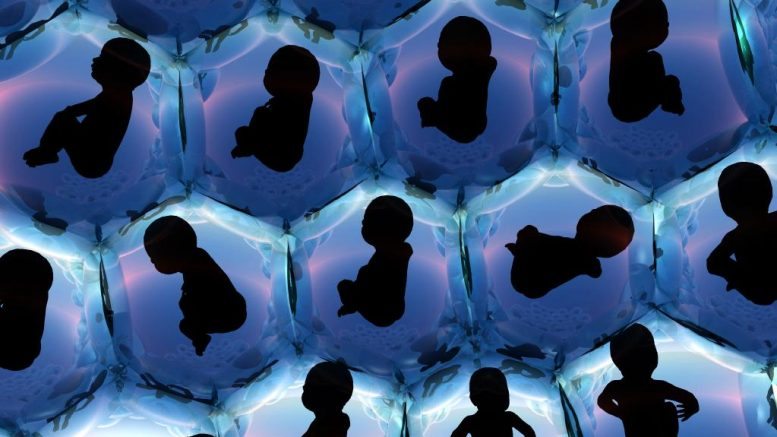 Autonomy of the embryo should play role in non-health
related gender selection. There is also another
type of PGD for gender selection, which does not contain discarding embyros
during the process. In such cases, doctors simply implant a virus that alters
genomes slowly to obtain desired sex. This type of PGD is more plausible than
discarding embryos but it is still hardly justifiable owing to human rights. In
human rights, people have autonomy to make their own decision without any
obligations and influences of others as Sousa,
Mário, and Barros states. Yet, they also do not take embyro’s autonomy
into consideration even though embryos are considered as a human-being. It is
essential to notice that “changing the sex of the embryo would also require the
embryo’s consent” (Liao). In the operation of PGD for sex selection, the case
of being autonomous completely is disregarded from the perspective of the
embyro since the embryo’s demands and/or desires can not be consulted. Almost every
medical procedure should contain patients decisions and preferences when it
comes to non-health related medical operations.
According to Quill, Holloway and Robert, “patient preferences should play a major part in
medical decisions.” Unless doctors can ask embyro about what is your
preference or desire, this procedure is not ethically permissible from the
perspective of autonomy. Since it is impossible to learn embyro’s desire about
sex. This is an enforced medical operation without consent of those embyros. To
eleborate the case more deeply, it is essential to aware of that embryos are
unconscious. Also, realize that the similarity between unconscious people and
embyros. In such circumstances, a doctor can operate an operation without the
person’s consent when life-saving is on the ground. But consent is simply necessary
when the operation is non-health related. For those reasons, non-health related
gender selection through PGD is utterly not acceptable and/or applicable owing
to right to be autonomous.
Autonomy of the embryo should play role in non-health
related gender selection. There is also another
type of PGD for gender selection, which does not contain discarding embyros
during the process. In such cases, doctors simply implant a virus that alters
genomes slowly to obtain desired sex. This type of PGD is more plausible than
discarding embryos but it is still hardly justifiable owing to human rights. In
human rights, people have autonomy to make their own decision without any
obligations and influences of others as Sousa,
Mário, and Barros states. Yet, they also do not take embyro’s autonomy
into consideration even though embryos are considered as a human-being. It is
essential to notice that “changing the sex of the embryo would also require the
embryo’s consent” (Liao). In the operation of PGD for sex selection, the case
of being autonomous completely is disregarded from the perspective of the
embyro since the embryo’s demands and/or desires can not be consulted. Almost every
medical procedure should contain patients decisions and preferences when it
comes to non-health related medical operations.
According to Quill, Holloway and Robert, “patient preferences should play a major part in
medical decisions.” Unless doctors can ask embyro about what is your
preference or desire, this procedure is not ethically permissible from the
perspective of autonomy. Since it is impossible to learn embyro’s desire about
sex. This is an enforced medical operation without consent of those embyros. To
eleborate the case more deeply, it is essential to aware of that embryos are
unconscious. Also, realize that the similarity between unconscious people and
embyros. In such circumstances, a doctor can operate an operation without the
person’s consent when life-saving is on the ground. But consent is simply necessary
when the operation is non-health related. For those reasons, non-health related
gender selection through PGD is utterly not acceptable and/or applicable owing
to right to be autonomous.
Non-health
related gender selection ought not to distort the gender ratio in the society
owing to gender discrimination.An approach from a social perspective for
non-medical sex selection introduces a vital problem which is sexual
discrimination. Although, it is believed that favorism of certain sex is a natural
phenomenon for some traditions, “allowing sex selection will introduce
inequality along both gender and ethnic lines in our society”, according to Stankovic.
Even though with the absence of PGD for sex selection, gender
discrimination is still frequent in the World. Imagine sex selection through
PGD was legislated, gender discrimination would greatly increase. Because sex
selection causes decomposition between both gender as Stankovic claims. In
nordic countries, for instance, favorism of having male gender is highly
common and it is still continuoes to exist. This type of favorism promptly
causes decompositive thinking. In other words, people start thinking about
gender is a determinant factor in the society. It can be thought that one
gender is more superior than the other one. This type of conception eventually
causes confliction in the both genders. Moreover, the peace of the society
would be no longer exist since discrimination divides society into two groups;
female and male favorism. From these socio-ethical aspects, sex selection is
totally unjustifiable and ethically impermissible.
Non-health
related gender selection wastes genuine medical resources. In addition to that
non-health related gender selection creates sexual discrimination in the
society, it is required to completely
comprehend socio-economics too. Since PGD is an expensive operation and can only
be prefered by people whom wealth is adequate level, insurance companies would
be obligated to pay the fee of PGD to prevent social inequality. However, Stankovic
claims that “PGD currently costs thousands of dollars, and if used
solely for sex selection will divert medical resources from genuine medical
need.” It can be understood that although
heatlh insurance companies support parents who are unable to pay the cost of
PGD, sex selection through PGD wastes vital medical research’s resources. In
order to have more precise comprehension, picture that a health insurance
company which has certain expense pool, people try to find a cure for cancer
within a limited medical resource to cease inequality of the society Even though
Sousa,Mario and Barros mentions about “presence of social inequality”, health
insurance companies would cover the fee.
Jeopardazing
embyro’s life for trivial genetic alterations is not ethically allowable. The
human body behave like a complicated machine which has sub-components that
works within a harmony. Hence, any genetical implantation has own risks from
the perspective of getting the exact intended result. The reason is genes’
unpredictable behaviours on each other. “Many genes have more than one effect”(Agar).
there should not be any possible conception about compromising health of the
person for such unimportant non-health related purposes because “there are safety objections, especially
ones arising from unforeseen and harmful side effects.”(Steinbock). Therefore, risks
should be taken for vital circumstances such as prolonging people life’s
expectancy and/or preventing serious diseases After admitting that the unpredictability of the genes may cause unwanted results, it is
particularly needed to acknowledge that the responsibility of risking embyros
life is milestone.To illustrate the case, for instance, parents want to make
their child super intelligent. They start to medical procedures.Yet, they are
unaware of the fact that all genes have connection with each other. Changing
one simple gene affects the other genes. This could cause problems such as gaining sensivity towards pain, colour
blindness and/or any other health health issues. Just being intelligent is not worth
these weaknesses and also bad health conditions. According to Steinbock, even if
doctors alter all the genome of the child like clonning, doctors can not obtain
desired results due to the environmental effects on genes. Therefore, genomes
can act completely different compared to desired results.